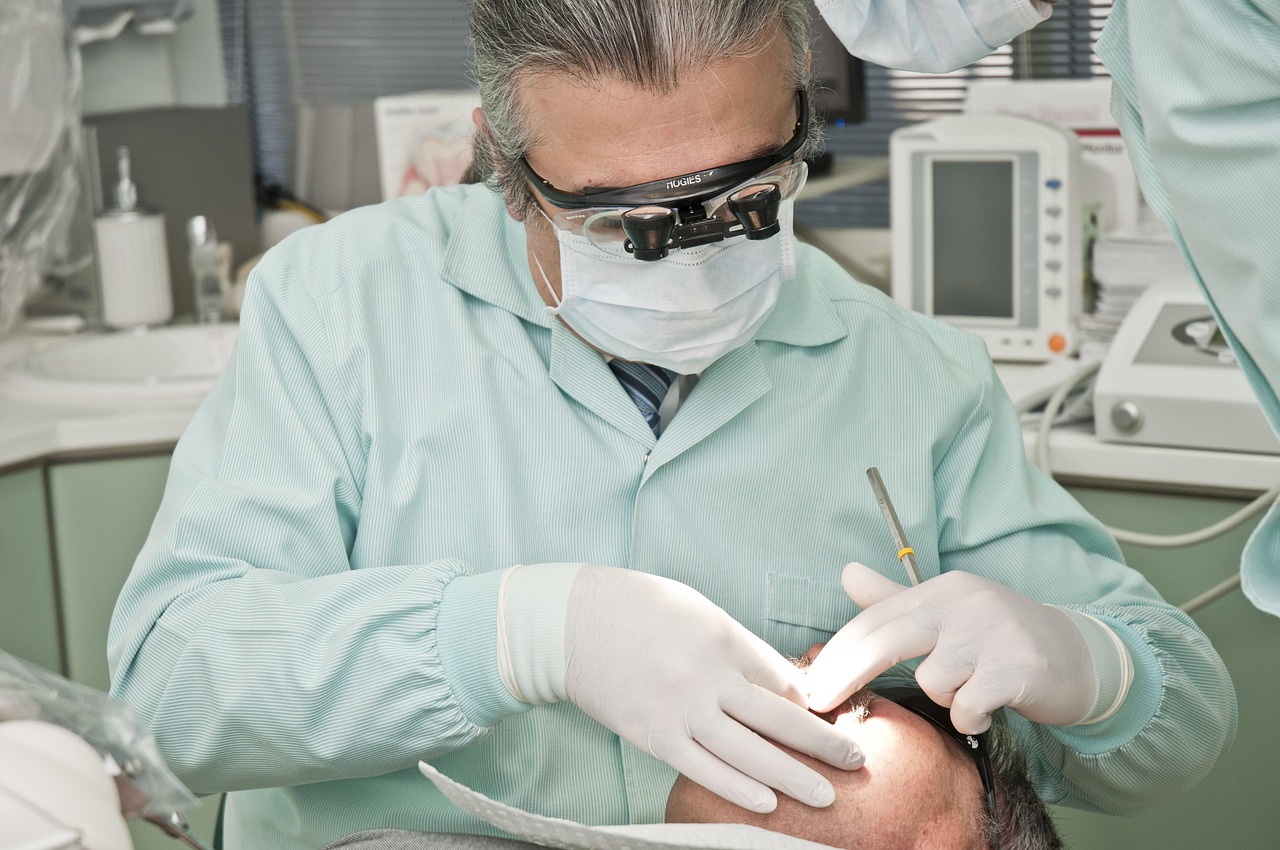
Oral hygiene is often overlooked in conversations about elder care, yet it plays a fundamental role in supporting an older adult’s overall health and sense of well-being. As aging impacts mobility, memory, and dexterity, daily oral care tasks such as brushing, flossing, or cleaning dentures can become difficult or neglected. This neglect can have a ripple effect, leading to both physical discomfort and emotional distress. Effective caregiving includes consistent support in these areas, reinforcing dignity and comfort. As described in maintaining dignity through proper grooming support, oral hygiene is not just about health — it’s about upholding respect and quality of life in later years.
Prevents Infections and Chronic Health Complications
As people age, their immune systems may weaken, making them more vulnerable to infections. Poor oral hygiene might lead to bacterial buildup in the mouth, which can spreads to the bloodstream and affect other organs. Studies have linked gum disease and oral infections with increased risk for heart disease, pneumonia, and diabetes complications. For seniors already managing chronic conditions, oral neglect may further complicate their health status and increase medical visits or hospital stays. Preventing oral infections through consistent hygiene is an important part of proactive elder care.

Supports Proper Nutrition and Digestion
Older adults often face dental issues such as loose teeth, missing teeth, or ill-fitting dentures, making it hard to chew food properly. This discomfort may cause them to avoid nutritious, harder-to-chew foods such as fruits, vegetables, and proteins. Over time, this avoidance can result in poor nutrition and weight loss. When caregivers assist with dental maintenance—helping seniors clean dentures, brush teeth, and manage pain—they enable better food choices, supporting energy, strength, and immunity.
Boosts Confidence and Encourages Social Engagement
Oral health isn’t only about physical care—it greatly affects self-confidence. Seniors who are self-conscious about bad breath, missing teeth, or visible decay may avoid socializing, speaking, or smiling. This can lead to isolation, loneliness, and even depression. Maintaining a clean, healthy mouth can restore confidence and encourage participation in daily activities, whether it’s chatting with neighbors, enjoying meals with family, or joining group activities at a care facility. It’s a small effort that can make a significant emotional impact.

Reduces Dental Pain and Discomfort
Toothaches, inflamed gums, and sore spots under dentures can severely affect quality of life. Unfortunately, older adults may not always communicate their discomfort clearly, especially if they live with memory loss or cognitive decline. Caregivers who assist with daily oral care are more likely to notice early signs of issues—such as swelling, redness, or reluctance to eat—and seek prompt treatment. By preventing minor dental issues from becoming major problems, caregivers help reduce avoidable pain and maintain comfort.
Promotes Independence and Personal Dignity
While oral care might seem like a private or mundane task, it’s deeply tied to a person’s sense of self. For older individuals, the ability to keep up with hygiene routines helps them feel more independent, in control, and respected. Even when hands-on help is needed, respectful assistance reinforces a senior’s dignity. Using familiar routines and preferred products and maintaining a gentle approach can help older adults feel cared for, not managed.
Conclusion
Oral hygiene is a foundational component of elder care—one that protects health, preserves comfort, and promotes emotional resilience. While dental care often falls behind other medical concerns in older adults, it should never be dismissed. Caregivers, both professional and family, are essential in helping seniors manage this vital aspect of daily living. Through patience and thoughtful support, seniors can retain not just their oral health but also their sense of self.