The journey of motherhood is filled with joy, love, and a whole lot of changes – both emotionally and physically. As you walk through this beautiful chaos that comes with caring for your little bundle of joy, it’s a must to prioritize your well-being, too. For instance, for your perineal care, you definitely need this perry bottle.
But it’s not just about perineal care. From managing lochia to caring for your perineum and C-section incision, here we will walk you through essential postpartum hygiene practices that every new mom should know.
Lochia Management
 Lochia, also known as postpartum bleeding or discharge, is a natural part of the healing process after giving birth. It may sound intimidating, but fear not – we’re here to guide you through managing it with ease. The key is to choose the right supplies for lochia management. Stock up on maternity pads or adult diapers that provide excellent absorbency and comfort.
Changing your pad regularly is key to maintaining good hygiene. Aim to change your pad every 2-4 hours initially and then gradually decrease frequency as the bleeding subsides. Remember, proper airflow in the vaginal area helps prevent any unwanted infections. Aside from that, keep an eye out for any changes in the color or odor of your lochia. Also, don’t forget about personal hygiene practices during this time, which we’ll talk about soon.
Perineal Care
Taking care of your perineum after childbirth is crucial for optimal healing and comfort. The perineum, the area between the vagina and anus, undergoes significant stretching during labor and delivery. Here are some tips to ensure proper perineal care
- Keep it clean: Gently wash the area with warm water every time you use the bathroom.
- Pat dry: After washing, make sure to pat the area dry instead of rubbing it. This helps prevent further irritation or infection.
- Sitz baths: Soaking yourself in a warm, relaxing sitz bath several times a day can promote better healing by improving blood flow to the area.
C-Section Incision Care
Recovering from a C-section is no easy feat, but proper incision care can help speed up healing and prevent infection. The incision area must be kept clean and dry at all times. To keep the incision clean, gently wash it with mild soap and warm water every day. Wearing loose-fitting clothing will also help promote airflow around the incision site and reduce friction.
In addition, be sure to opt for cotton underwear and avoid tight waistbands that may rub against the incision. Follow your healthcare provider’s recommendations regarding dressing changes and use any prescribed antibiotic ointments as directed. As a new mom, you also need to attend all postpartum check-ups so that your doctor can monitor your healing progress.
Breast Hygiene
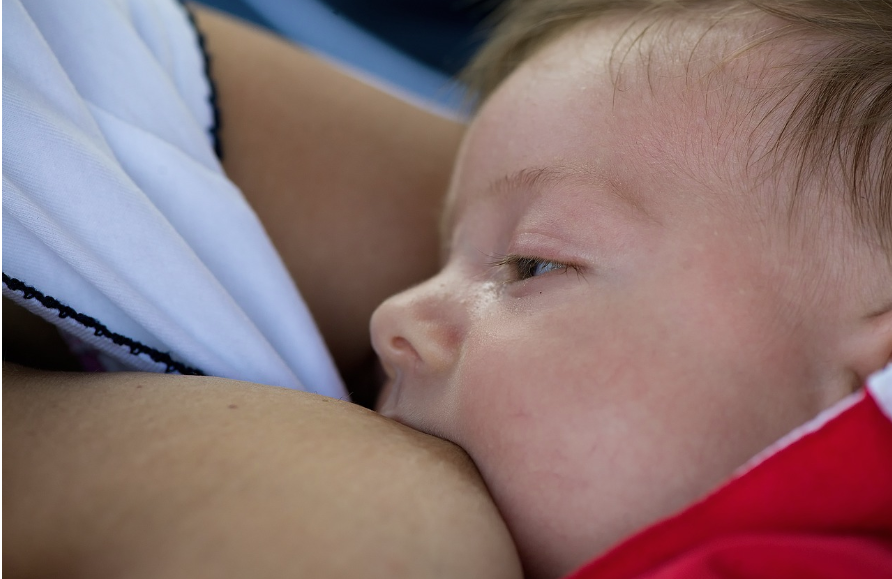 As a new mom, taking care of your breasts is an important part of postpartum hygiene. Proper breast hygiene not only helps to prevent discomfort and infection but also supports breastfeeding and ensures the health of both you and your baby. Cleanliness is key in preventing the transfer of bacteria or germs that could potentially cause infections.
When it comes to bathing, avoid using harsh soaps or lotions on your breasts as they can strip away all natural oils and easily dry out the skin. Instead, opt for gentle cleansers specifically designed for sensitive areas like the nipple and areola.
Regularly changing nursing pads throughout the day can help keep your nipples clean and dry. Maintaining good breastfeeding practices contributes significantly to breast hygiene. Ensure proper latching techniques during feeding sessions as improper attachment may result in cracked or sore nipples, which are susceptible to infection.
By prioritizing postpartum hygiene practices along with self-care activities such as restful sleep, healthy eating habits, and light exercise when approved by your healthcare provider – you will be on track toward a positive recovery journey.